The frontier of scientific research leverages high-performance computing to accelerate breakthroughs in high-energy physics, astronomical exploration, geophysics, quantum chemistry, and molecular dynamics. By integrating mathematical modeling with advanced simulations, researchers transcend the physical and financial constraints of traditional laboratories to fast-track theoretical iteration. As AI drives a profound paradigm shift in research, the TaiShan high-performance computing solution provides a high-performance, open platform that fuses diverse computing resources. TaiShan empowers the next era of discovery and supports robust AI for Science (AI4S) innovation through an inclusive and collaborative ecosystem.
Industry Overview

Related Products
Foundational Hardware

2U2P Balanced Model
Application Scenarios
Molecular Dynamics (MD)
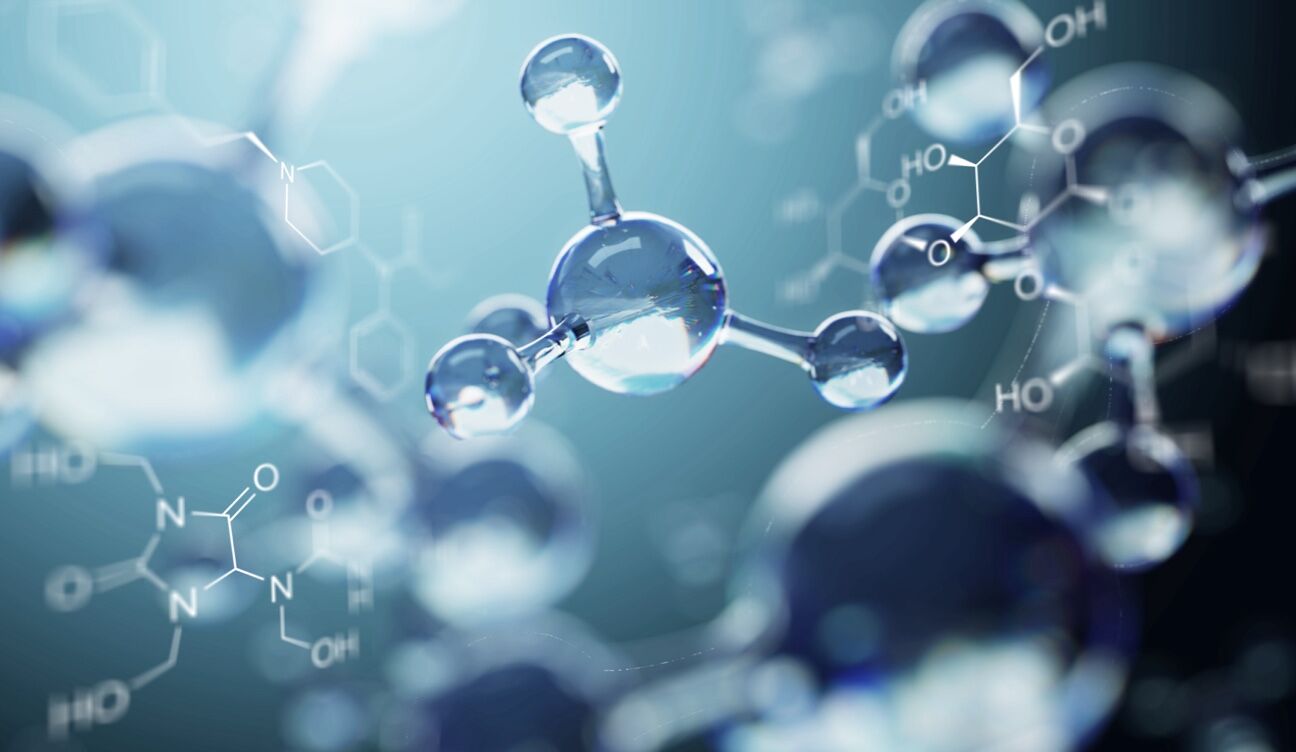
MD unlocks atomic-level insights essential for drug discovery and material science. To manage extreme multi-body simulation workloads, the HPC solution provides an open platform that fuses diverse computing resources. By optimizing industry-leading solvers like GROMACS and LAMMPS, TaiShan accelerates the transition from theoretical models to real-world breakthroughs.
Quantum Chemistry
Quantum chemistry unlocks sub-atomic insights into molecular reactions to drive innovation in energy and materials. To deliver the high precision required for complex quantum simulations, our HPC solution provides an open platform that fuses diverse computing resources. By optimizing industry-leading applications like Gaussian and CP2K, TaiShan fast-tracks the transition from theoretical chemistry to scientific breakthroughs.
Application Cases
LAMMPS
LAMMPS is a widely used open-source molecular dynamics package designed for large-scale atomistic simulations. It models the motion of atoms and molecules using Newtonian mechanics, enabling researchers to study the structural and thermodynamic behavior of complex molecular systems.